Filters & Membranes
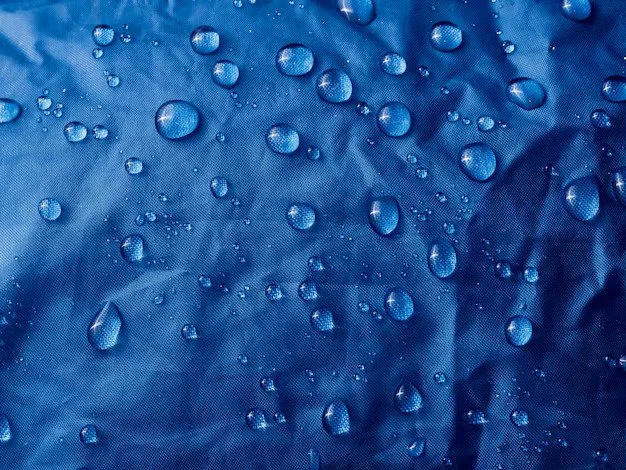
ViriDyn’s oleophobic and hydrophobic coatings repel water and oil, while allowing passage of air, gases, and sound. Up to Grade 8 Oleophobicity.
The applications of ViriDyn’s oleophobic and hydrophobic coatings for venting, filters and membranes are extremely versatile:
Automotive & e-Mobility: headlamp venting membranes, EV battery venting membranes, gas tank pressure sensors, engine oil sensors.
Architectural, Building & Construction: membranes for waterproofing, moisture control, chemical resistance.
Consumer Electronics: waterproofing for smartphone speaker & microphone vents, headphones, sound systems.
Chemical & Industrial: vented chemical packaging, gas sensors.
Enhancement of PTFE and other membrane materials to improve repellency, breathability, or chemical resistance in medical, industrial, and consumer applications.
Medical Devices & Life-Sciences: catheters, IV filter vents, suction-related apparatuses, and instruments.
Oil & Gas: fracking water organics cleanup and separation, petroleum filtration.
ViriDyn also offers prototype-to-production-scale high-performance custom coated membrane media for filtration and venting applications requiring hydrophobicity and oleophobicity without reductions in air permeability.
Contact ViriDyn for advanced venting, filtration, and membrane system surface treatments.
ViriDyn Guide to Oleophobicity
Contact a ViriDyn engineer to learn more about oleophobicity grades, applications of oleophobic materials, and techniques to achieve specific grades of oleophobicity.
Oleophobicity refers to a material’s ability to repel oils with different surface tension properties.
Lower surface tension liquids tend to penetrate venting material, more easily defeating the material’s venting capability.
Oleophobicity grade is assigned using the AATCC Spec 118-1992 guidelines. A higher oleophobicity grade indicates greater resistance to low surface tension fluids and oils.
Testing Grades of Oleophobic Performance:
Place five 50-microliter drops of the number 1 fluid on the test material surface (please see table).
If after 30 seconds, 3 of the 5 drops do not penetrate the media, the drops are removed by blotting with white textile blotting paper.
The test proceeds with the next fluid as outlined in the table.
This procedure will continue until 3 of 5 drops penetrate the media. The oleophobicity grade is the previous fluid number.
| Oleophobic Grade | Test Oil |
|---|---|
| 0 | Fails Mineral Oil |
| 1 | Kaydol / Mineral Oil |
| 2 | Kaydol:Hexadecane (65:35 by volume) |
| 3 | Hexadecane |
| 4 | Tetradecane |
| 5 | Dodecane |
| 6 | Decane |
| 7 | Octane |
| 8 | Heptane |