Surface Additives
High performance surface-active agents (surfactants) for improved leveling, wetting, foaming and dispersing.
ViriDyn surfactants lower surface tension, while increasing water, oil and stain repellency. ViriDyn’s family of high-performance surfactants are optimized for diverse applications across both water-based and solvent-based formulations, including for batteries, coatings, detergents, inks, paints, repellents, sealers, varnishes and waxes. ViriDyn surfactants also play essential roles in specialized applications such as: metal plating and metals processing; firefighting foams for hydrocarbon, solvent and alcohol fires.
Contact ViriDyn to discuss the right surfactants & additives for high-performance paints, coatings, inks and other formulations.

Automotive Paints & Coatings
Provides anti-blocking, oil repellency, dirt pick-up resistance (DPR).
Suitable for OEM and aftermarket formulations
Improved resistance to salt-fog, acid rain, and pollutants.
Compatible with water-based and solvent-based formulations.
Improve gloss and reduce surface defects (e.g. fisheyes, pinholes, orange peel).

Architectural Coatings
Provides anti-blocking, oil repellency, dirt pick-up resistance (DPR).
Added oil repellency improves easy-clean features, including anti-vandal and anti-graffiti properties.
Improved resistance to salt-fog in coastal environments.
Compatible with water-based and solvent-based formulations.
High efficiency reduces overall requirement of additive-loading.

Paints, Inks & Coatings
Additives for oil-based, water-based and solvent-based formulations.
Provides excellent wetting and enhanced leveling. Extends open time.
Reduces orange peel, fish-eyes, pinholes.
Improves pigment compatibility in inks and cylinder life in print equipment.
Improves wetting, pore-penetration and leveling of oil based coatings. Also reduces cratering of solvent based paints.
Improves water, oil and stain resistance, including finger oil and smudge repellent properties to coatings.

Floor Finishes, Waxes & Polishes
Additives for water-based and solvent-based formulations.
Compatibility with silicone and hydrocarbon surfactants.
Provides wetting and enhanced leveling.
Good re-wet characteristics in multi-coat applications.
Reduces cratering and provides faster spreading.
Improves water, oil and stain resistance.
A Guide to Surface Additives (‘Surfactants’)
What are surface additives or ‘surfactants’?
1
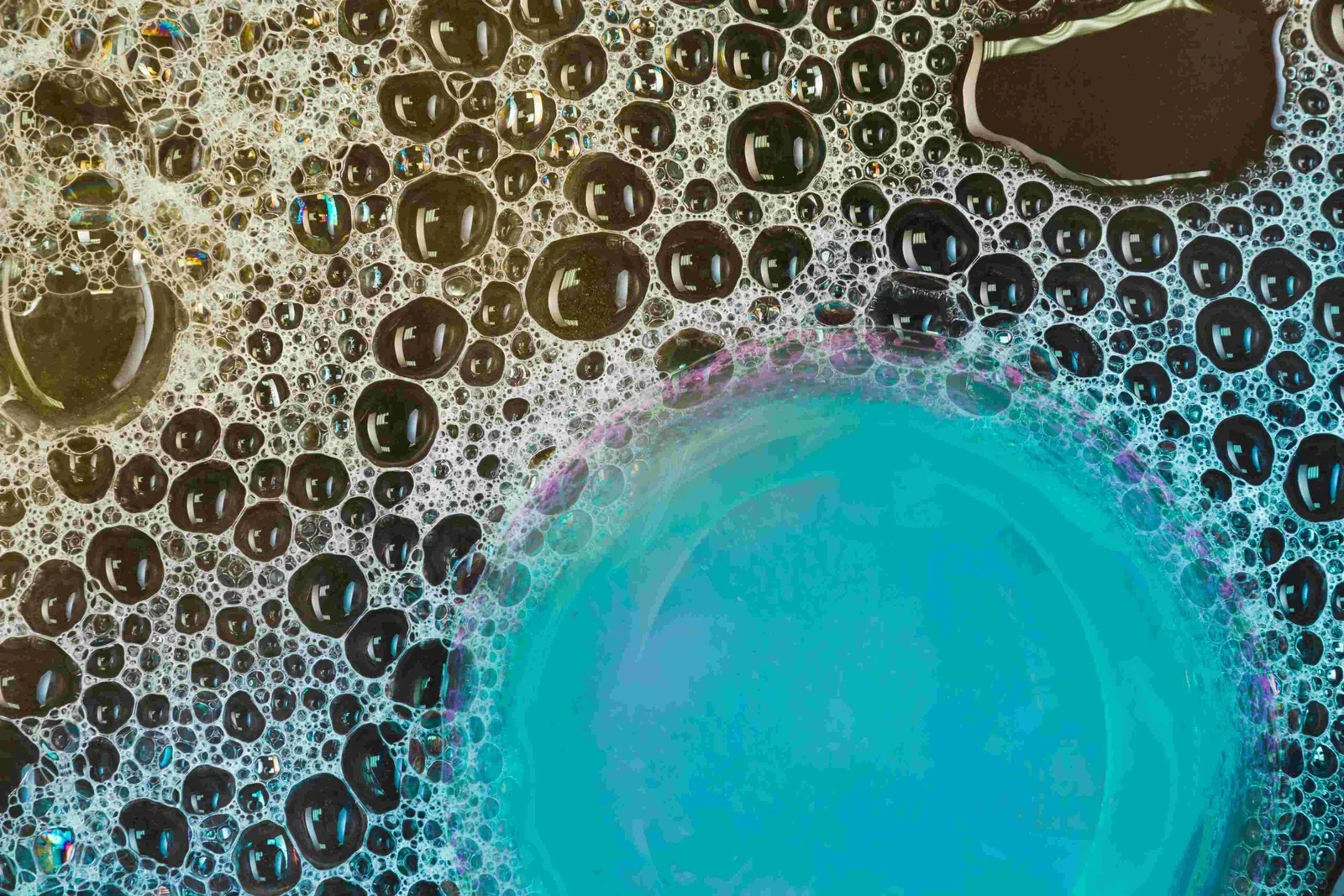
Surface additives, commonly called surfactants (surface-active agents), are specialized chemicals that reduce surface and interfacial tension between materials such as liquids, solids, oils, water, and air.
In industrial formulations, high-performance surfactants improve wetting, spreading, emulsification, dispersion, foam control, cleaning, lubrication, leveling and adhesion—helping coatings, inks, adhesives, detergents, agricultural products, and process fluids perform more consistently. By controlling how ingredients interact at a surface, industrial surfactants enable better coverage, stability, efficiency, and finish quality in demanding manufacturing applications.
How do surfactants work?
2
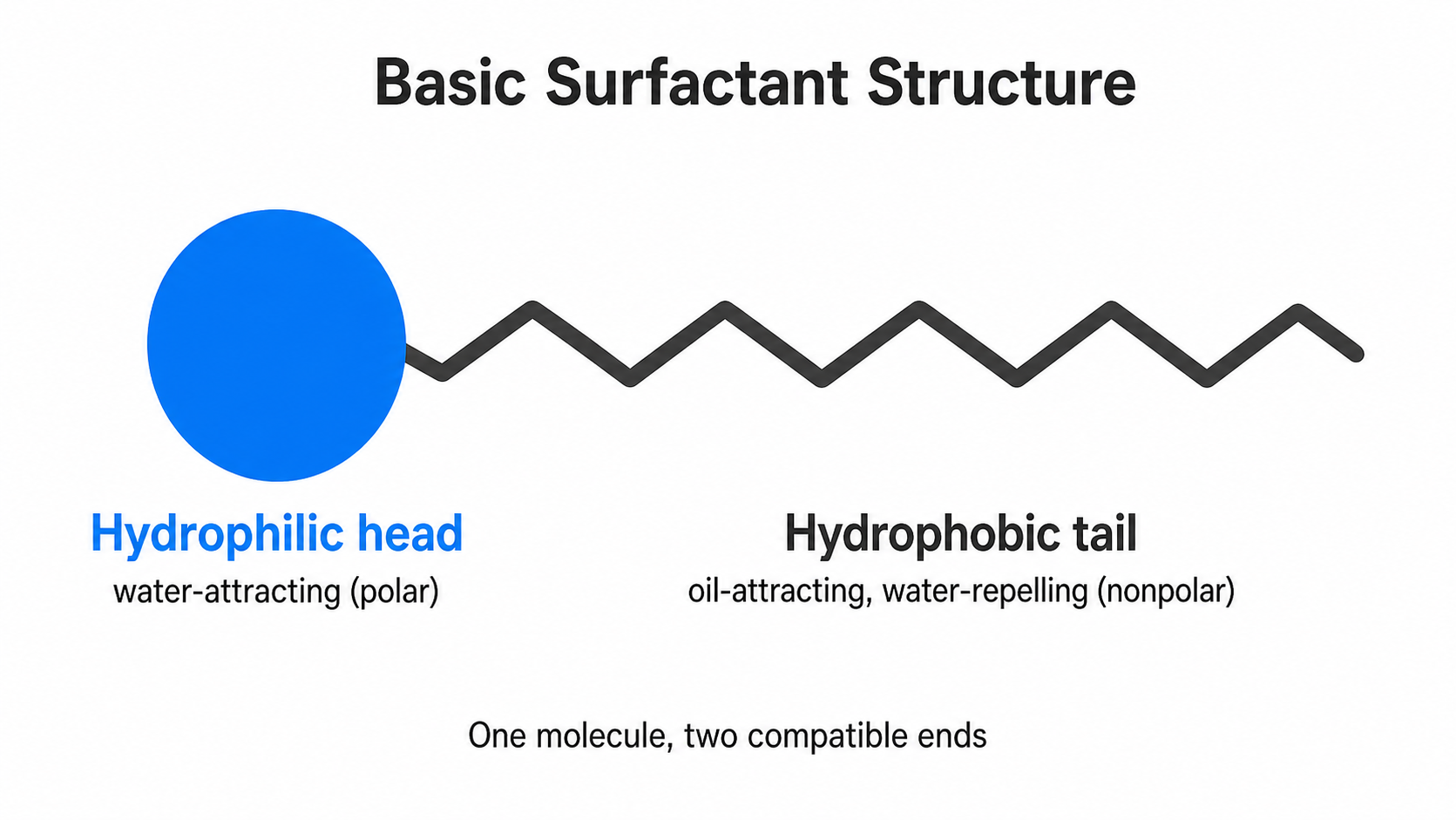
Surfactants work by using a dual-purpose molecular structure: a water-attracting (hydrophilic) head and a water-repelling (hydrophobic) tail.
These molecules move to the boundary between liquids, solids, air, oil, or water, where they lower surface and interfacial tension so liquids can spread, wet, and penetrate surfaces more effectively.
In industrial formulations, surfactants can also surround and disperse oils, pigments, particles, or contaminants in microscopic structures called micelles.
These structures support functions such as emulsification, cleaning, dispersion, foam control, adhesion, and uniform coating performance.
What are the different types of surfactants?
3
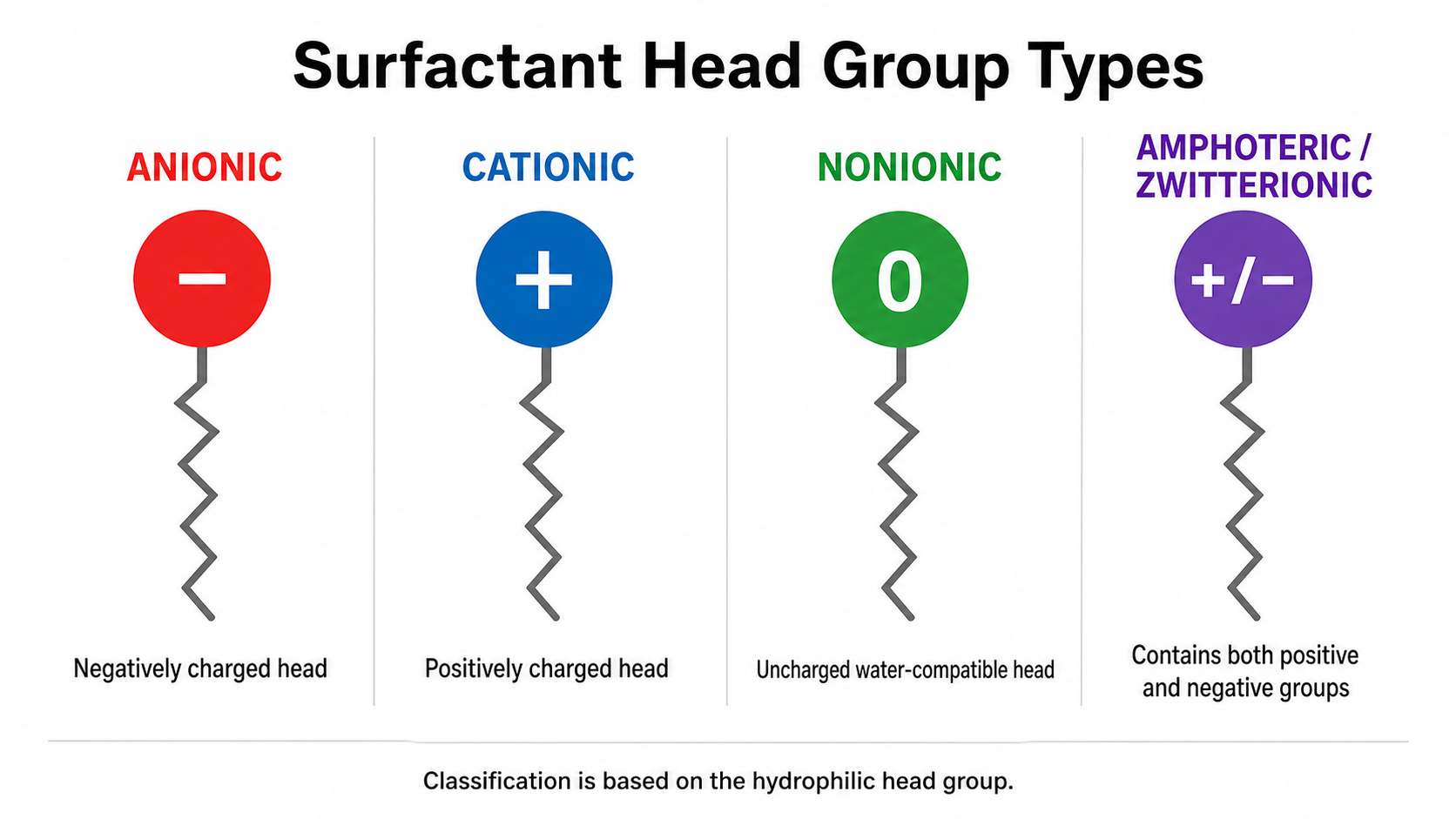
Surfactants are commonly classified by the nature and electrical charge of their hydrophilic head group.
Anionic surfactants have negatively charged heads.
Cationic surfactants have positively charged heads
Nonionic surfactants have uncharged, water-compatible heads;
Amphoteric (or zwitterionic) surfactants contain both positive and negative groups and can change behavior with solution pH.
This head-group classification is fundamental because it influences a surfactant’s solubility, compatibility with other ingredients, adsorption behavior, and performance in an industrial formulation
Why are surfactants useful in paint, ink and coating formulations?
4
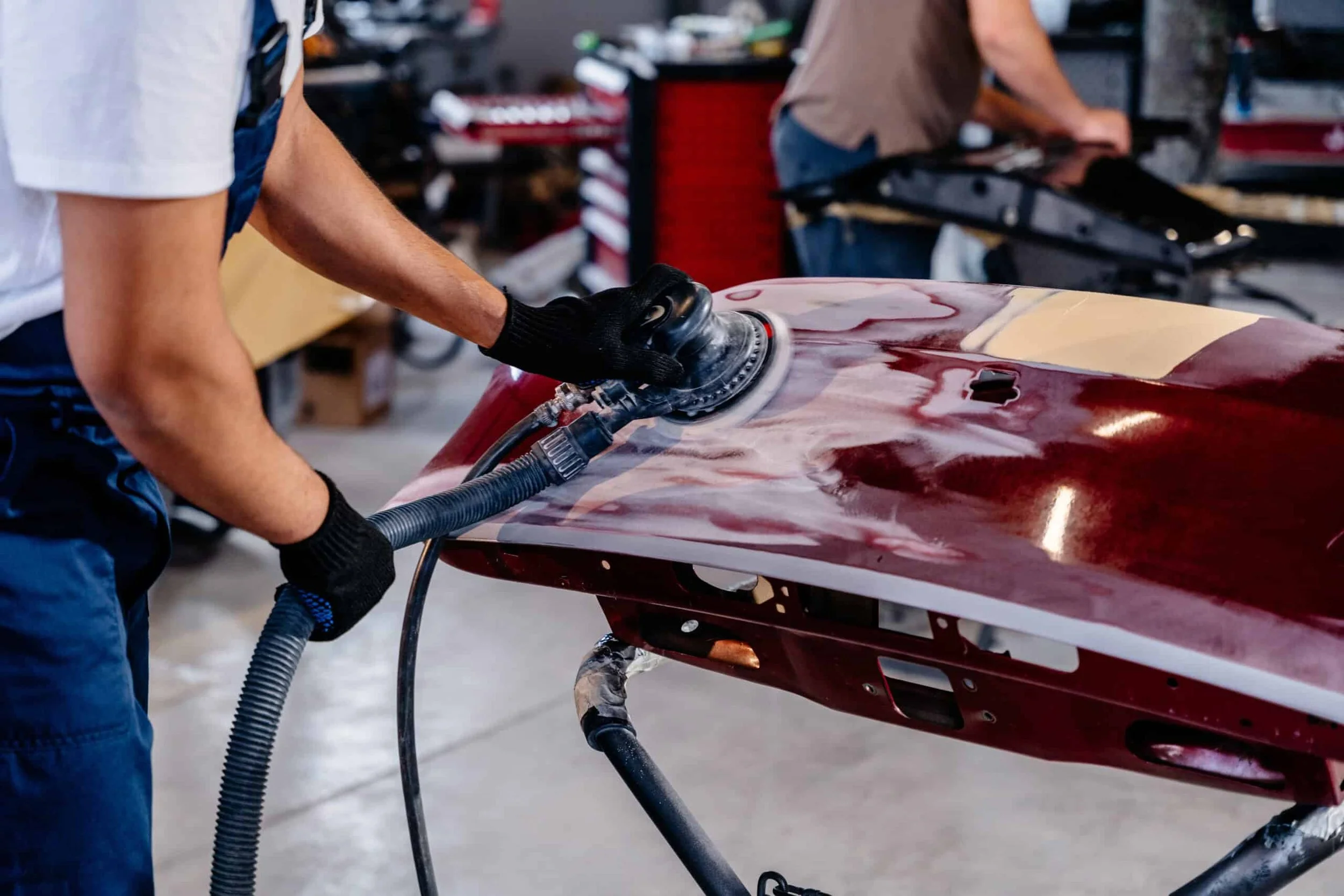
In paints, inks, and coatings, surfactants are primarily used to improve how a formulation is made, applied, and stabilized.
Wetting agents to help liquids spread across pigments, fillers, and substrates.
Dispersants help to prevent pigment agglomeration and settling.
Emulsifiers help to stabilize waterborne polymer systems.
Surfactants also support flow and leveling, improve color development and gloss uniformity, assist film formation and adhesion, and manage foam during mixing, pumping, spraying, printing, and application.
Surfactants can therefore be extremely useful in terms of reducing defects such as craters, pinholes, orange peel, poor coverage, and uneven finish.
What are common surface defects that surfactants can be used to reduce or prevent?
5
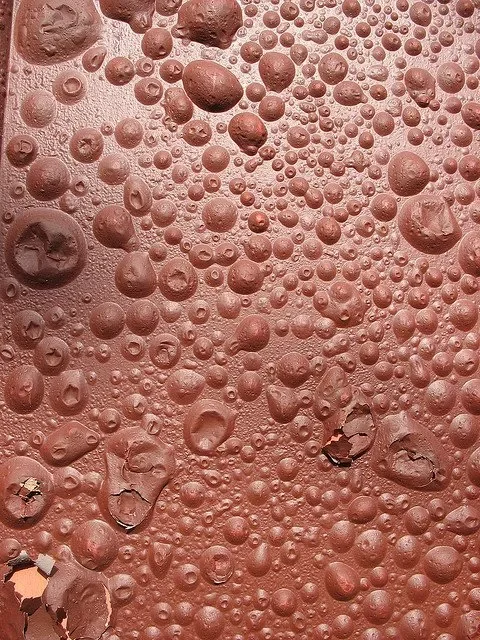
Surfactants can help prevent surface defects that result from poor wetting, uneven flow, pigment instability, or trapped air in paints, inks, and coatings.
Common examples include:
Craters and fisheyes (small circular voids caused by de-wetting or contamination)
Crawling, edge pull, and retraction (areas where the wet film pulls away from the substrate)
Orange peel and poor leveling (an uneven, textured finish)
Pinholes (small pores linked to entrapped air, solvent, or moisture)
Brush or roller marks.
Wetting and flow-promoting surfactants reduce surface tension and improve uniform coverage.
Dispersing surfactants can reduce pigment flocculation contributing to color variation, low gloss, flooding, floating, and settling